Thinking back to my trips to Turkey, I remember the kindness of the Turkish people Turkey’s culture is a mix of history, beautiful landscapes, and vibrant traditions.Traveler Loves
My time in Turkey was magical, from seeing old ruins to walking through lively bazaars. The Turkish traditions of welcoming guests, showing respect to elders, and sharing stories are everywhere.
10 Things Every Traveler Falls in Love With in Turkey’s Culture
What makes Turkey special is its mix of European and Middle Eastern cultures. This creates a unique and inviting culture. I hope my stories will encourage you to see the beauty of Turkey’s culture for yourself.
Key Takeaways
- Experience the warmth of Turkish hospitality
- Explore ancient historical sites and ruins
- Immerse yourself in vibrant Turkish traditions
- Enjoy local cuisine and shopping in bustling bazaars
- Discover the unique cultural identity of Turkey
The Warm Welcome: Turkish Hospitality That Captivates Visitors
When you arrive in Turkey, you’re greeted with open arms. This shows the country’s famous hospitality. It’s not just a trait; it’s a big part of Turkish culture.Traveler Loves
The Art of Turkish Hospitality: More Than Just Good Service
Turkish hospitality, or “Misafirperverlik,” is about making guests feel at home. It’s about treating you like family.
The Concept of “Misafirperverlik” (Guest Honor)
“Misafirperverlik” means treating guests with kindness and respect. Locals greet visitors with big smiles and open arms.
How Hospitality Extends Beyond Tourist Areas
In local communities, Turkish hospitality is even more special. It’s here that you truly feel the spirit of “Misafirperverlik.”
Personal Encounters: How I Was Embraced by Local Families
I was lucky to visit local homes during my travels. I saw the kindness and generosity of Turkish families. These visits were more than just meetings; they were a peek into Turkish culture.Traveler Loves
Turkish Hospitality
| Aspect of Hospitality | Description | Experience |
| Warm Welcome | Greeting with open arms and a smile | Feeling at home immediately |
| Generosity | Offering food and drink | Being treated like family |
| Respect | Honoring guests with respect | Feeling valued and appreciated |
Turkish hospitality is a treasure that makes every trip special. It’s a cultural gem that attracts visitors from everywhere.
A Feast for the Senses: The Irresistible Turkish Cuisine
Turkish cuisine is a colorful mix of different flavors and traditions. As I explored Turkey, I found that its food is more than just eating. It’s a way to experience the country’s rich history and culture.
Beyond Kebabs: The Diverse Regional Flavors
Kebabs are popular in Turkey, but there’s more to its food. Each region has its own unique tastes, shaped by its geography and culture.
Coastal Mediterranean Influences
The Mediterranean coast of Turkey is famous for its seafood, olive oil, and fresh veggies. Its dishes are light and full of flavor, thanks to the sunny weather.
Eastern Anatolian Specialties
Eastern Anatolia, on the other hand, is known for its hearty meals. These dishes often include meat and grains, reflecting the area’s cold winters and nomadic past.
Turkish Cuisine
| Region | Signature Dishes | Key Ingredients |
| Mediterranean | Grilled fish, salads | Fresh seafood, olive oil, citrus |
| Eastern Anatolia | Kebabs, dolmas | Meat, grains, spices |
Street Food Adventures: My Culinary Journey Through Turkish Markets
Visiting Turkish markets was an unforgettable food adventure. From Istanbul’s busy streets to small town bazaars, the street food shows Turkey’s lively culture.
The Ritual of Turkish Breakfast
Turkish breakfast is a slow and enjoyable meal. It includes cheeses, bread, olives, and eggs. It’s a time for people to come together and start the day relaxed.Traveler Loves
Sweet Endings: Turkish Desserts and Lokum
No meal is complete without something sweet. Turkish desserts like baklava and lokum (Turkish delight) are famous for their rich tastes and textures. They make any meal special.
The Timeless Bazaars: Shopping as a Cultural Experience
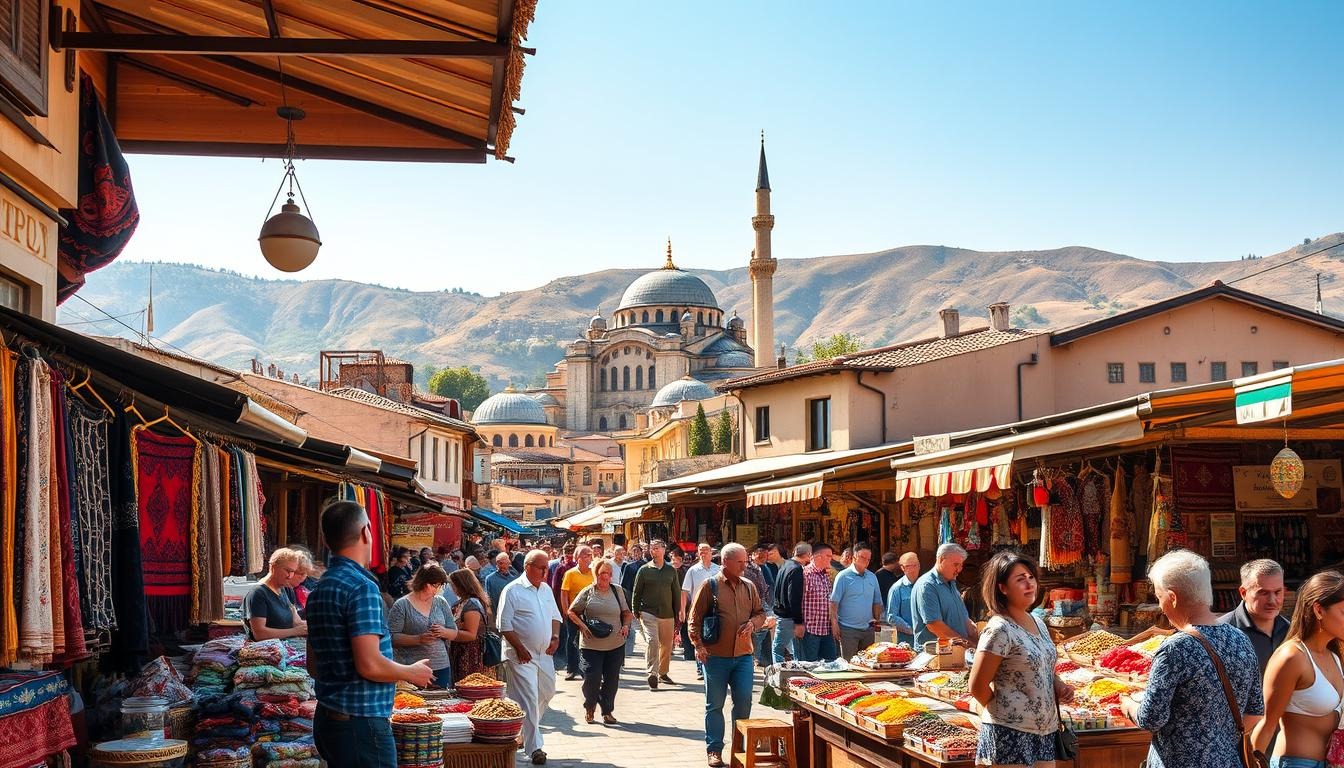
Shopping in Turkey’s bazaars is an adventure. It shows the country’s history, art, and traditions. Walking through the alleys and stalls, I saw the rich culture around me.
Navigating the Grand Bazaar
The Grand Bazaar in Istanbul is huge and old. It draws millions every year. With over 4,000 shops, it’s easy to get lost in the colorful textiles, jewelry, and crafts. Exploring beyond the main paths is key.
The Art of Haggling
Haggling is a big part of bazaar life. It’s not just about the price; it’s about the stories and smiles. “Haggling is about sharing stories and exchanging smiles.” When I haggled for a carpet, I felt a bond with the vendor. He was sharing his heritage with me.
Traditional Crafts and Their Cultural Significance
Turkish bazaars are full of traditional crafts. Each item, from carpets to jewelry, tells Turkey’s cultural story. These crafts are more than souvenirs; they’re pieces of Turkey’s history.Traveler Loves
Finding Authentic Souvenirs
Looking for souvenirs? Skip the tourist stuff and find real, handmade items.
“A true souvenir is not just a reminder of a place, but a piece of its soul.”
Real souvenirs, like ceramics or textiles, show Turkish craftsmanship and culture.
Where East Meets West: The Architectural Marvels
Turkey’s architecture shows off its cultural diversity through Byzantine, Ottoman, and modern styles. As I explored Turkey, I fell in love with its unique buildings. They tell the story of the country’s deep history.
Byzantine and Ottoman Influences: A Visual Journey
Turkey’s buildings are filled with history. The Byzantine era left a lasting impact. The Ottoman period brought grandeur to the landscape.
Hagia Sophia: Symbol of Cultural Transformation
Hagia Sophia is a marvel with its stunning dome and detailed mosaics. It shows Turkey’s cultural shift. It was once a church, then a mosque, and now a museum, highlighting the country’s complex past.
The Grandeur of Ottoman Mosques
Ottoman mosques, like the Sultan Ahmed Mosque, are famous for their beauty. They show the people’s religious devotion and the skill of Ottoman architects.
Modern Turkish Architecture: Bridging Centuries of Design
Modern Turkish buildings mix old and new. Architects blend traditional and modern styles. This creates a unique cultural scene that respects history and looks to the future.Traveler Loves
In cities like Istanbul, old and new buildings stand together. Ancient structures and modern skyscrapers create a lively, diverse architectural scene. It’s truly Turkish.
10 Things Every Traveler Falls in Love With in Turkey’s Culture
Exploring Turkey’s culture was a journey that touched my heart deeply. Turkey’s mix of East and West offers many cultural practices that attract travelers worldwide. Here, I’ll share two experiences that left a lasting mark on me.
The Turkish Hammam Experience: Cleansing Body and Soul
The Turkish Hammam is a key part of Turkish culture. It’s a place where you can relax and bond with others. My visit was more than just a bath; it was a dive into a long-standing tradition.
Historical Significance of Bath Culture
The hammam’s roots go back to ancient Roman and Byzantine bathhouses. Over time, it became a unique part of Ottoman culture. These baths were not just for cleaning but also for socializing and doing business. The hammam’s history is seen in its design and the rituals performed there.
My First Hammam Experience
My first time at the hammam was exciting and a bit scary. The warm marble and sound of water welcomed me. The attendants gave me a series of scrubs and massages, leaving me feeling new. It was a cleansing experience for both my body and soul.
The Ritual of Turkish Tea and Coffee: Social Bonding Through Beverages
Turkish tea and coffee are more than drinks; they’re a big part of Turkish culture. Preparing and serving them is a ritual, often with lively talks and warm welcomes. My journey with Turkish tea and coffee showed me the heart of Turkish social life.
The Art of Brewing and Serving
Making Turkish tea uses a special double teapot. This method creates a strong, flavorful tea served in small glasses. Turkish coffee is made by grinding the beans finely and brewing them in a cezve. Serving these drinks is a tradition, with hosts showing great pride in welcoming guests.
Fortune Telling Through Coffee Grounds
One interesting part of Turkish coffee culture is fortune-telling with coffee grounds. After drinking, the grounds are read to reveal insights into the future. This tradition, called tasseography, is both fun and intriguing, showing the mystical side of Turkish culture.Traveler Loves
The Spiritual Tapestry: Religious Diversity and Tolerance
Turkey is known for its amazing religious diversity and tolerance. As a traveler, I saw how different faiths live together in peace. This creates a unique cultural scene.
Mosques, Churches, and Synagogues: Coexistence in Action
Turkey’s spiritual heritage is seen in its many places of worship. Mosques, churches, and synagogues show the country’s history of accepting all religions. I visited these sites and was amazed by their beauty and the community spirit they bring.
The historic Hagia Sophia is a great example. It has been both a church and a mosque, showing Turkey’s rich religious past. These places are not just old buildings but are alive with worship and culture.
The Whirling Dervishes: My Encounter with Sufi Mysticism
I saw the whirling dervishes perform their sema ceremony. This ritual shows their deep spiritual commitment and cultural tradition.
The Meaning Behind the Ceremony
The sema ceremony is more than a show; it’s a spiritual journey. The dervishes’ spinning represents their quest for spiritual growth. They do this with Sufi music and poetry.
Where to Experience Authentic Sema Ceremonies
For a unique Turkish experience, check out Konya or Istanbul. These places host authentic sema ceremonies with respect and care.
Turkey’s mix of religions and tolerance is truly inspiring. It makes Turkey a great place for those who love culture and spirituality.
The Living History: How Turkey Preserves Its Past
Exploring Turkey, I saw how much the nation values its cultural heritage. Its rich history shines through in ancient sites, lively festivals, and stories passed down for ages.
Archaeological Wonders: Walking Through Ancient Civilizations
Turkey boasts some of the world’s most stunning archaeological sites. Places like Ephesus and Troy give us a peek into its ancient myths. Ephesus lets visitors walk through ancient streets, feeling like they’ve stepped back in time.
Ephesus and Troy: Stepping into Mythology
Ephesus and Troy are more than just ruins. They open doors to Turkey’s mythological past. Troy, known for the Trojan War, shows Turkey’s key role in ancient times.Traveler Loves
Cappadocia: Underground Cities and Cave Dwellings
Cappadocia is a marvel of Turkey’s history. Its unique landscapes and underground cities show the creativity and strength of old times. The cave dwellings and hidden cities are a testament to ancient ingenuity.
Oral Traditions: Stories Passed Down Through Generations
Oral traditions are key in keeping Turkey’s culture alive. Tales of love, courage, and history are shared, keeping the past alive. These stories are often told with music and dance, enriching the cultural fabric.Traveler Loves
Turkey’s dedication to its history is clear in its preserved sites and oral traditions. Visitors can feel the country’s history come alive, making Turkey a unique and captivating place.Traveler Loves
The Artistic Soul: Turkish Music, Dance, and Visual Arts
Turkey’s artistic soul is a vibrant tapestry woven from centuries of cultural heritage. Exploring Turkish arts, I found a world of diversity and richness. This ancient land is truly unique.
Traditional Folk Music and Dance: Regional Expressions
Turkish folk music and dance are more than entertainment. They show the country’s regional identities. Each area has its own dances and music, telling its story.
The Energetic Black Sea Horon Dance
The Black Sea region is famous for its Horon dance. It’s full of energy and rhythmic beats. This dance shows the region’s lively cultural heritage.
The Emotional Depth of Turkish Classical Music
Turkish classical music is known for its emotional depth. It’s influenced by Byzantine and Ottoman traditions. This music is complex and deeply moving.Traveler Loves
Contemporary Turkish Arts: How Tradition Inspires Innovation
Today’s Turkish arts mix tradition and modernity. Artists draw from Turkey’s rich heritage but also innovate. This blend is fascinating.Traveler Loves
Modern Turkish Cinema on the World Stage
Modern Turkish cinema is recognized worldwide. Films tackle complex themes and stories. Directors like Nuri Bilge Ceylan have made Turkish cinema global.
The Revival of Traditional Crafts by Young Artisans
Young artisans in Turkey are bringing back traditional crafts. They’re reviving carpet weaving and pottery. These crafts are modernized yet stay true to tradition.Traveler Loves
| Art Form | Description | Region |
| Horon Dance | Energetic dance with rapid movements | Black Sea |
| Turkish Classical Music | Complex and emotionally deep music | Various |
| Carpet Weaving | Traditional craft with intricacy | Anatolia |
Conclusion: Why Turkey’s Cultural Mosaic Leaves a Lasting Impression
Reflecting on my time in Turkey, I’m amazed by its rich culture. The Turkish people’s warm welcome and the lively bazaars and buildings are unforgettable. Every moment showed Turkey’s varied heritage.Traveler Loves
The 10 things every traveler loves in Turkey’s culture are part of everyday life. From delicious food to the beauty of mosques and churches, each experience touched my heart. Whether it was enjoying Turkish tea, watching dervishes, or visiting ancient sites, it all left a lasting impression.
Turkey’s culture is alive and full of energy and warmth. Looking back, Turkey is a place that shows the best of human culture. It also teaches us to appreciate the beauty of diversity.Traveler Loves
FAQ
What are the must-visit destinations in Turkey?
Turkey has many iconic spots like Istanbul, Cappadocia, Ephesus, and Troy. Each place gives a unique look into Turkey’s history and culture.
What is Turkish cuisine known for?
Turkish food is famous for its wide range of flavors. You’ll find kebabs, Mediterranean dishes, and Eastern Anatolian specialties. Don’t miss out on traditional sweets like baklava and lokum.
What is the significance of Turkish hospitality?
Turkish hospitality, or “Misafirperverlik,” is a big part of their culture. It’s all about welcoming and honoring guests. This shows Turkey’s warm and generous spirit.
What can I expect from a Turkish hammam experience?
A Traveler Loves Turkish hammam is a traditional ritual for cleansing and relaxation. It’s a chance to refresh your body and soul in a historic setting.
How does Turkey preserve its cultural heritage?
Turkey keeps its culture alive through archaeology, oral traditions, and traditional crafts. This ensures its rich history stays vibrant and alive.
What is the significance of the whirling dervishes?
The whirling dervishes are a Sufi order known for their spiritual dances and music. These ceremonies symbolize the connection between humans and the divine.
Can I experience traditional Turkish arts and culture?
Yes, Turkey offers many chances to see traditional arts and culture. You can enjoy folk music and dance, traditional crafts, and modern arts exhibitions. It’s a vibrant cultural scene.
What are some tips for shopping in Turkish bazaars?
When shopping in Turkish bazaars, be ready to haggle and respect local customs. Look for authentic, high-quality products for a rewarding experience.Traveler Loves
How does Turkish architecture reflect the country’s cultural identity?
Turkish architecture combines Byzantine, Ottoman, and modern styles. It shows Turkey’s strategic location and rich cultural heritage.
What role does coffee play in Turkish culture?
Coffee is very important in Turkish culture, often served in coffeehouses as a sign of hospitality. It’s a time for socializing and sometimes even fortune-telling through coffee grounds.Traveler Loves