Going on a wild forest adventure is thrilling. It mixes the excitement of exploring with the challenge of surviving outdoors. Forest travel tourism lets you step away from daily life and connect with nature.wild Forest adventure
Forest travel tourism and survival camping with cooking juicy steak wild Forest
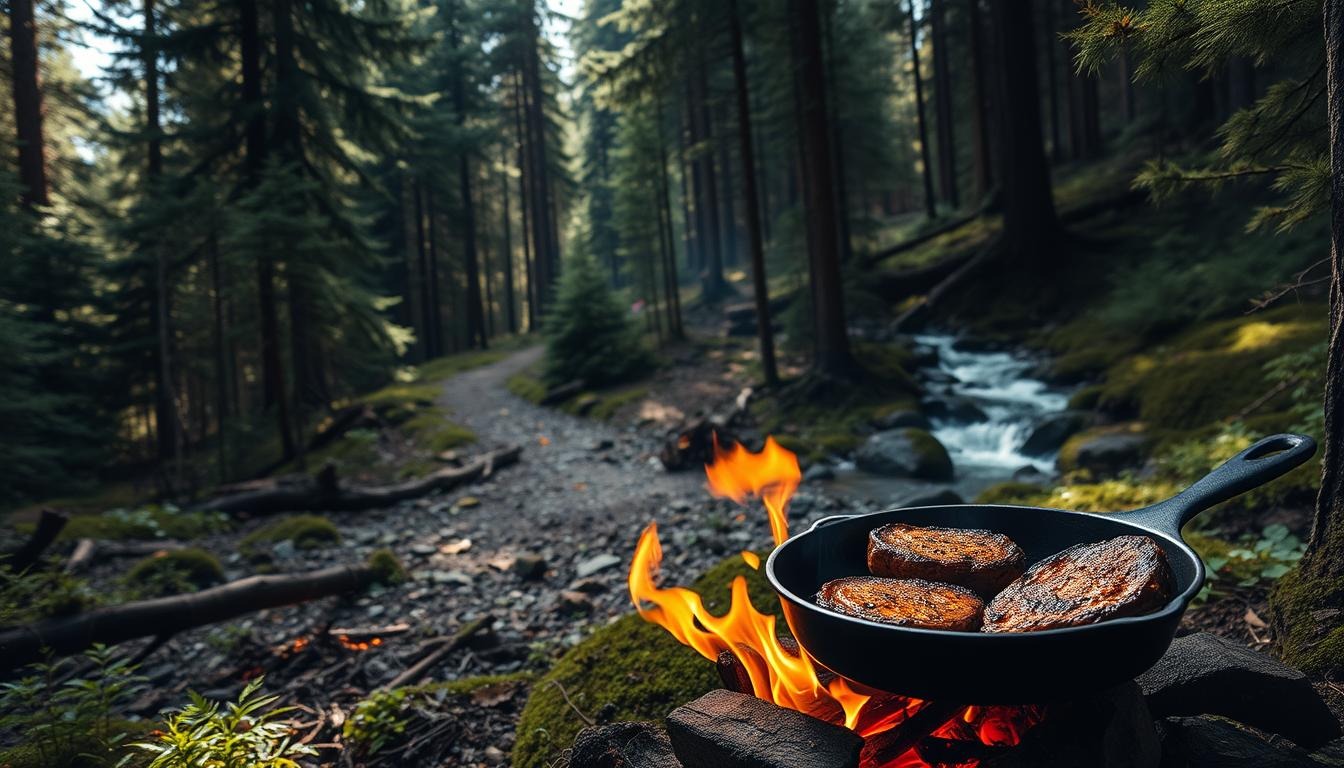
Cooking a juicy steak over a fire is a top highlight of survival camping. It gives you a taste of the wild that’s both simple and fulfilling. As you explore the wild forest, you discover yourself and test your limits.wild Forest adventure
Key Takeaways
- Experience the thrill of a wild forest adventure.
- Discover the joys of survival camping.
- Learn the art of cooking outdoors.
- Reconnect with nature through forest travel tourism.
- Challenge yourself with wilderness survival.
- wild Forest adventure
The Call of the Wild: Understanding Forest Travel Tourism
More and more people are looking to escape city life. Forest travel tourism is becoming a top choice for those wanting to connect with nature. It offers adventure, peace, and personal growth, attracting travelers from all walks of life.
What Makes Forest Adventures Unique
Forest adventures are special because they offer immersive nature experiences. Unlike regular tourism, they let people really connect with nature. This creates a deep bond with the environment.
Immersive Nature Experiences
Being in nature has many benefits. It can lower stress and clear your mind. Forests, with their rich life and calm beauty, are perfect for these experiences.wild Forest adventure
Physical and Mental Health Benefits
Forest travel tourism is good for both body and mind. Hiking and camping improve physical health and mental well-being. They help reduce anxiety and depression.
The Growing Popularity of Wilderness Experiences
Forest travel tourism is getting more popular. This is thanks to social media and a growing interest in eco-friendly travel.
Social Media’s Influence on Outdoor Recreation
Social media has greatly promoted outdoor activities. It shares amazing photos and stories of wilderness adventures. This has encouraged many to try forest travel for themselves.wild Forest adventure
Sustainable Tourism Practices
| Practice | Description | Benefit |
| Leave No Trace | Minimizing impact on the environment | Preserves natural beauty |
| Eco-friendly accommodations | Using sustainable materials and practices | Reduces carbon footprint |
| Responsible wildlife viewing | Observing wildlife without disturbance | Protects wildlife habitats |
As forest travel tourism grows, it’s important to use eco-friendly practices. This helps keep these natural places beautiful for the future.
forest travel tourism
Planning Your Forest Travel Tourism and Survival Camping with Cooking Juicy Steak Wild Forest Adventure
Going on a forest travel adventure needs careful planning for a great time. You must pick the right forest, know when to go, and plan your trip.
Choosing the Right Forest Destination
The United States has many amazing national forests for camping. Iconic American National Forests like the Redwood National Forest in California and the Great Smoky Mountains National Forest are favorites.wild Forest adventure
Iconic American National Forests
- Redwood National Forest, California
- Great Smoky Mountains National Forest
- Adirondack Park, New York
- wild Forest adventure
Lesser-Known Wilderness Areas
If you want peace, try lesser-known wilderness areas. Places like the Ozark National Forest in Arkansas or the Hoh Rainforest in Washington are quiet and beautiful.wild Forest adventure
Best Seasons for Forest Adventures
The best time to visit depends on weather and wildlife activity. Spring and autumn are best because the weather is mild.
Weather Considerations
| Season | Weather | Ideal Activities |
| Spring | Mild temperatures | Hiking, wildlife watching |
| Summer | Warm to hot | Swimming, camping |
| Autumn | Cool to mild | Foliage viewing, hunting |
Duration and Itinerary Planning
When planning your trip, think about permits and regulations and make a flexible schedule. Get the right permits and be ready for weather or trail changes.wild Forest adventure
forest travel tourism planning
Essential Gear for Survival Camping in the Wild Forest
Survival camping in the wild forest needs careful planning of essential gear. The right equipment can turn a great adventure into a safe one.wild Forest adventure
Shelter and Sleeping Equipment
Having good shelter and sleep gear is key for a good night’s sleep. It also keeps you safe from the weather.
Tents vs. Hammocks vs. Bivy Sacks
Choosing the right shelter depends on what you like, the terrain, and the weather. Tents are versatile and protect you well. Hammocks offer comfort and a unique experience. Bivy sacks are light and easy to carry.
- Tents: Ideal for rugged terrain and harsh weather.
- Hammocks: Suitable for areas with sturdy trees and mild climates.
- Bivy Sacks: Perfect for ultralight and minimalist adventurers.
- wild Forest adventure
Weather-Appropriate Sleeping Systems
A good sleeping bag and pad make sleeping better. Choose insulation based on the low temperatures you expect.
| Sleeping Bag Type | Temperature Rating | Weight |
| Summer | 30°F to 50°F | 2-3 lbs |
| Three-Season | 0°F to 30°F | 3-4 lbs |
| Winter | -20°F to 0°F | 4-5 lbs |
Navigation and Communication Tools
Good navigation and communication tools are key for safety and finding your way in the wilderness.wild Forest adventure
Maps, Compasses, and GPS Devices
Using maps, compasses, and GPS devices helps you navigate the forest confidently.wild Forest adventure
- Maps: Provide detailed topographical information.
- Compasses: Offer a reliable means of direction-finding.
- GPS Devices: Enable precise location tracking.
- wild Forest adventure
Satellite Communicators and Signal Boosters
Satellite communicators are crucial in areas without cell service. They help in emergencies and keep you connected.
First Aid and Emergency Supplies
A well-stocked first aid kit and emergency supplies can save lives in accidents or unexpected situations.
Wilderness First Aid Kit Essentials
Make sure to include bandages, antiseptic wipes, pain relievers, and any personal medications.
Emergency Signaling Devices
Use flares, mirrors, and whistles to signal for help in emergencies.
By choosing and preparing the right gear, you can have a safe and fun survival camping trip in the wild forest.
Wilderness Navigation Skills for Forest Travelers
Forest travelers need good navigation skills for a safe and fun trip. Knowing how to navigate the wilderness is key for survival and adventure.wild Forest adventure
Map and Compass Techniques
Map and compass skills are basic for wilderness travel. It’s important to know how to read maps and use a compass.
Topographic Map Reading
Topographic maps show the terrain’s details like elevation and water bodies. Learning to read these maps helps plan routes.
Triangulation Methods
Triangulation uses landmarks to find your location. By using a compass and map, you can pinpoint your spot.
Natural Navigation Methods
Natural navigation is also useful. It includes using the sun, stars, and observing nature.
Using the Sun and Stars
The sun and stars can guide you. Knowing how to use them is a handy skill for navigating without tools.
Reading Natural Indicators
Natural signs like moss and animal tracks can hint at direction. While not always right, they’re useful with other methods.
GPS and Digital Tools in the Backcountry
GPS and digital tools are helpful in the wilderness. But, it’s important to know how to use them and have a plan B.
Battery Conservation Strategies
To keep GPS devices working, save battery life. Turn them off when not in use and carry extra batteries.
Backup Navigation Plans
Even with GPS, having a backup plan is crucial. Skills like map and compass use are essential in case of device failure.
Setting Up the Perfect Forest Campsite
Setting up a safe and functional campsite is key to a great forest camping trip. A well-organized campsite makes your trip better and prepares you for any challenges.wild Forest adventure
Finding the Ideal Location
When looking for the perfect campsite, safety and access to resources are important. These factors help ensure a great camping experience.
Safety Considerations
Choose a spot that’s safe from harsh weather and hazards like falling trees or flash floods. It should be flat and dry.
Access to Resources
Being close to water is good, but watch out for flash flooding risks. Also, make sure you have enough firewood and other resources.
Campsite Organization and Safety
After finding your spot, organize your campsite well. This means setting up different areas for cooking, sleeping, and storing gear.
Creating Cooking, Sleeping, and Storage Zones
Having separate areas for each activity keeps your campsite safe and clean. This setup reduces accident risks and makes camping more fun.wild Forest adventure
Weather Protection Strategies
Make sure your campsite has good shelter. Also, have a plan for extreme weather.
Leave No Trace Principles
Following Leave No Trace principles is crucial to protect the environment.
Minimizing Environmental Impact
Respect your surroundings and avoid harming plants or animals.wild Forest adventure
Proper Waste Disposal
Dispose of waste properly. Either pack it out or use the right disposal facilities.
| Campsite Aspect | Best Practice |
| Location | Choose a flat, dry area protected from wind and potential hazards. |
| Organization | Create separate zones for cooking, sleeping, and storage. |
| Waste Management | Pack out all trash and disposable items. |
Survival Skills for the Wild Forest Environment
Going into the wild forest needs special survival skills for safety and fun. Learning these skills can greatly improve your wilderness trip.
Finding and Purifying Water
Having clean water is key. It’s important to know how to find and purify water to survive.
Natural Water Sources
Search for streams, rivers, and ponds. But, watch out for still water that might be dirty.
Filtration and Purification Methods
Use water filters or tablets to clean water. Boiling water is another good way.
Building Emergency Shelters
A shelter keeps you safe from bad weather. It’s crucial to know how to build one.
Natural Materials Techniques
Build a shelter with branches, leaves, and snow. A lean-to is easy and works well.
Insulation and Weather Protection
Make sure your shelter is warm and keeps out wind and rain. Use leaves or pine needles for warmth.
Wildlife Awareness and Safety
Knowing your surroundings and how to handle wildlife is key for safety.
Bear Safety Protocols
Make noise while hiking to not scare bears. Keep food and trash away.
Identifying and Avoiding Dangerous Animals
Learn to spot dangerous animals and how to stay away. Stick to trails and avoid tall grass.
With these wilderness survival skills, you’ll be safer and have more fun on survival camping trips.wild Forest adventure
Outdoor Cooking Essentials for Forest Camping
Going into the wilderness means knowing how to cook outdoors. It’s not just about food; it’s about making memories in nature.
Campfire Building Techniques
Building a campfire is key for outdoor cooking. It needs safety and skill.wild Forest adventure
Fire Safety in Forests
Choose a safe spot for your campfire, away from flammable stuff. Keep water nearby.
Creating Cooking-Friendly Flames
Use dry wood and kindling for a steady fire. Adjust airflow for the right flame size.wild Forest adventure
Cooking Equipment for the Wilderness
The right gear makes outdoor cooking better.
Portable Stoves vs. Open Fire Cooking
Portable stoves are handy and controlled. Open fire cooking is traditional.
Essential Cookware for Backcountry Meals
Pick lightweight, strong cookware that can handle heat.
Food Storage and Safety in Bear Country
Storing food right is key in bear country to keep wildlife away.
Bear Canisters and Hanging Techniques
Use bear canisters or hang food 10 feet up and 4 feet out from the trunk.
Odor Management Strategies
Keep food smells down by using airtight containers and a clean campsite.wild Forest adventure
| Cooking Method | Equipment Needed | Safety Considerations |
| Open Fire Cooking | Fire pit, cooking grill, fuel | Fire safety, food handling |
| Portable Stove | Stove, fuel, cookware | Fuel handling, stove maintenance |
Mastering the Art of Cooking Juicy Steak in the Wild
Cooking a steak over an open campfire is special. With the right techniques, it can be truly exceptional. Cooking a juicy steak in the wilderness requires planning and skill. But the result is well worth the effort.
Selecting and Packing the Perfect Steak
Choosing the right cut of steak is key for a great wilderness dining experience. Consider these factors when selecting your steak:
- Best Cuts for Wilderness Cooking: Opt for ribeye or strip loin for their tenderness and flavor.
- Food Safety During Transport: Keep your steak cool and secure during transport to prevent spoilage.
- wild Forest adventure
Best Cuts for Wilderness Cooking
Ribeye and strip loin are excellent choices. Their marbling keeps the steak juicy even when cooked over a campfire.
Food Safety During Transport
Use a cooler with ice packs to keep your steak at a safe temperature during transport. Wrap it tightly in plastic wrap or aluminum foil.wild Forest adventure
Campfire Cooking Methods for Steak
The method you choose for cooking your steak can greatly impact the final result. Here are some effective techniques:
- Direct Grilling Techniques: Place your steak directly over the flames for a nice sear.
- Cast Iron Skillet Methods: Use a cast iron skillet to cook your steak evenly and retain heat.
- wild Forest adventure
Direct Grilling Techniques
Grilling directly over the campfire flames can achieve a nice char on the outside while keeping the inside juicy.
Cast Iron Skillet Methods
A cast iron skillet is versatile. It can be used to cook your steak over a campfire, providing even heat distribution.
Seasoning and Serving Tips for Wilderness Steak
Enhance your steak with the right seasonings and accompaniments. Consider:
- Portable Spice Kits: Bring a selection of spices to add flavor to your steak.
- Pairing with Foraged Ingredients: Forage for wild herbs or mushrooms to pair with your steak.
- wild Forest adventure
Portable Spice Kits
Pack a small kit with essentials like salt, pepper, garlic powder, and paprika to season your steak.
Pairing with Foraged Ingredients
Foraging for wild ingredients can add a unique twist to your meal. Look for edible herbs or mushrooms near your campsite.
Beyond Survival: Forest Adventure Activities
The great outdoors invites you to explore more than just survival skills. Forest adventures offer a range of activities that make your wilderness experience richer.
Wildlife Observation and Photography
Watching wildlife in their natural home is exciting. It’s important to know how to watch them ethically.
Ethical Wildlife Viewing Practices
Keep a safe distance, don’t feed the animals, and don’t litter. These steps keep both humans and animals safe.
Camera Equipment for Wilderness Settings
Using the right camera gear, like telephoto lenses, can improve your wildlife photos.
Foraging for Edible Plants
Foraging for edible plants is a rewarding activity. Knowing which plants are safe to eat in your area is key.
Common Edible Species by Region
Edible plants vary by region. For example, in North America, you can find wild berries and dandelion greens.
Identification Safety Rules
When identifying plants, follow safety rules to avoid poisoning. Use field guides and seek expert advice.
| Region | Common Edible Plants | Safety Tips |
| North America | Wild berries, dandelion greens | Avoid plants with milky sap |
| Europe | Wild garlic, nettles | Be cautious of lookalike plants |
| Asia | Bamboo shoots, lotus root | Ensure proper identification |
Night Exploration and Stargazing
Nighttime forest exploration offers a unique view. Dark sky locations in US forests are perfect for stargazing.
Dark Sky Locations in US Forests
Big Bend National Park in Texas and Death Valley National Park in California are great for stargazing.
Nocturnal Wildlife Encounters
At night, you might see nocturnal animals like owls and raccoons. Being aware of your surroundings is crucial for a safe night out.
By trying these forest activities, you can connect more deeply with nature and make unforgettable memories.
Conclusion: Embracing the Forest Adventure Lifestyle
Forest travel tourism and survival camping mix adventure with nature. Cooking a juicy steak in the wild is just one reward for those who venture into the forest.
Embracing this lifestyle helps you learn survival skills and make lasting memories. Every moment, from navigating woods to setting up camp, is a chance to challenge yourself and grow.
Whether you’re experienced or new to outdoor adventures, we encourage you to plan a survival camping trip. With the right gear, skills, and mindset, you’ll embark on a journey that will invigorate and inspire you.
So pack your bags, grab your gear, and get ready for the thrill of forest travel tourism and survival camping with cooking juicy steak wild forest adventure.
FAQ
What are the essential items to pack for a forest travel tourism and survival camping trip?
You’ll need shelter and sleeping gear, navigation tools, and first aid kits. Also, pack clothes for the season. Don’t forget a portable stove or camping grill for cooking outdoors.
How do I choose the right forest destination for my adventure?
Think about the season, your experience level, and what you want to do. Look into famous national forests and hidden spots to find the perfect place for your trip.
What are some tips for cooking a juicy steak in the wild?
Choose a good steak and use a cast-iron skillet or direct grilling. Season it with a portable spice kit. Add foraged ingredients for a special taste.
How can I ensure food safety while camping in bear country?
Use bear canisters or hang food and trash. Keep your campsite clean to avoid attracting animals. Store food and toiletries in airtight containers to manage odors.
What are some wilderness navigation skills I should know?
Learn to read maps and use compasses. Understand natural navigation like reading the sun and stars. Also, know how to use GPS and digital tools.
How can I minimize my environmental impact while forest camping?
Follow Leave No Trace principles. Dispose of waste properly and minimize campfire impacts. Respect wildlife and preserve the natural environment.
What are some activities I can do beyond survival skills in the forest?
Try wildlife observation and photography, foraging, and night exploration. These activities can make your forest adventure more memorable and enriching.
How do I plan a flexible itinerary for my forest adventure?
Research permits and regulations. Plan a flexible schedule for unexpected weather or changes. Include rest days or alternative activities for flexibility.