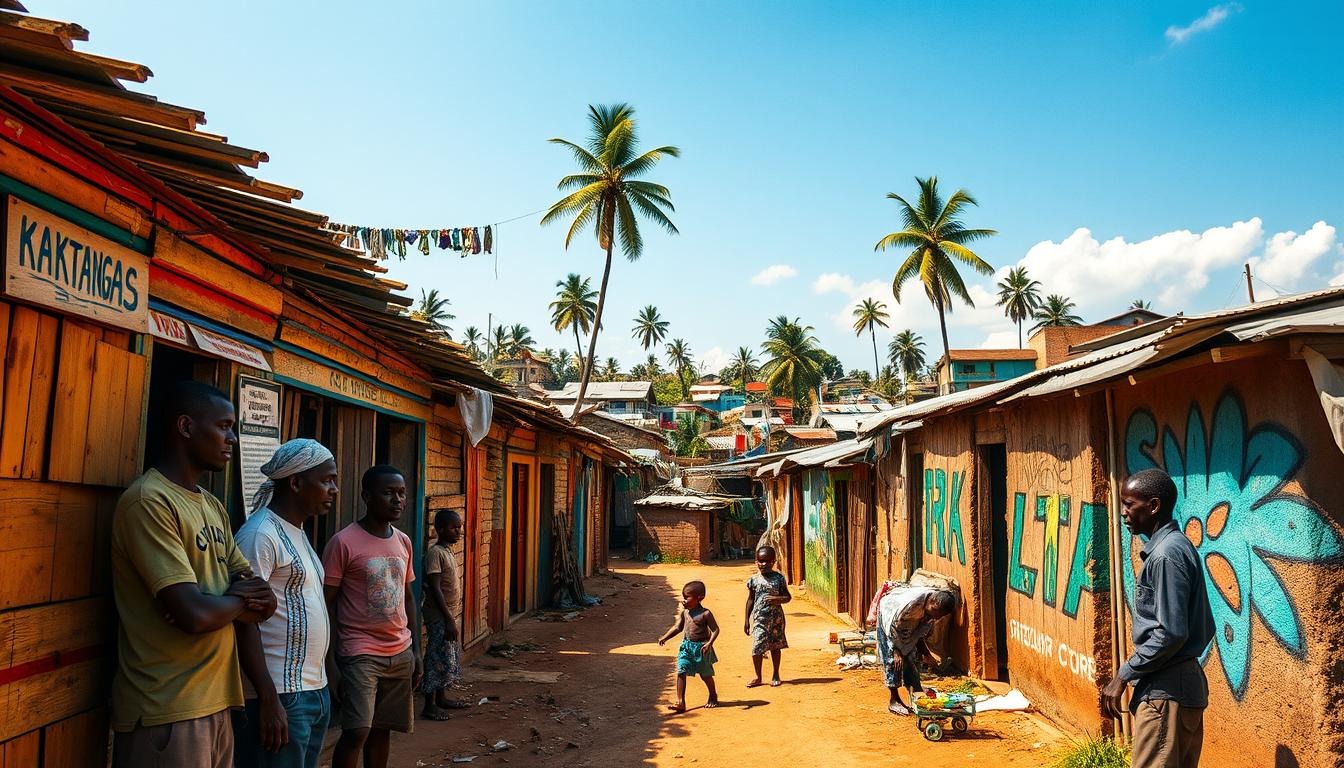
When I entered Uganda’s Katanga slum, I felt a mix of emotions. I was shocked, empathetic, and eager to learn about this community.African Village Life in Uganda
Shocking African Village Life in Uganda | Exploring Katanga Slum
This journey’s title captures the essence of exploring Katanga. I’ll show you what to expect, how to prepare, and the good and bad of tourism here.African Village Life in Uganda
Key Takeaways
- Understanding the complexities of life in Katanga slum
- Preparing for a visit to Katanga and its challenges
- The role of responsible tourism in vulnerable communities
- Insights into the daily life and struggles of Katanga residents
- The importance of cultural sensitivity when visiting Katanga
The Reality of Katanga: What to Expect Before Your Visit
Before you visit Katanga, it’s key to know its history and current state. This knowledge will make your visit better and help you appreciate the community’s strength.African Village Life in Uganda
Historical Background and Formation of the Slum
Katanga slum has a complex history. It was formed by people moving to cities for work. Over time, it has been shaped by many social and economic factors. Knowing Katanga’s history helps us understand its current problems and challenges.it’s key to know its history and current state.
Current Living Conditions and Challenges
Today, Katanga faces big issues like poverty, too many people, and lack of basic needs. People struggle with bad sanitation, poor health care, and hard economic times. It’s important for visitors to see these challenges to truly appreciate the community’s strength.
Why Responsible Tourism Matters in Vulnerable Communities
Responsible tourism is very important in places like Katanga. Visitors can make a positive difference by being careful about their impact. This means supporting local businesses, respecting local customs, and having real conversations with the people. Responsible tourism helps create a better, fairer place for everyone.African Village Life in Uganda
How to Prepare Ethically for Visiting Katanga Slum
Visiting Katanga Slum is more than just packing. It’s about being culturally sensitive and aware. As you explore this African village, remember the well-being of its residents.
Essential Items to Pack for Your Visit
Packing right is key for Katanga Slum. Don’t forget:
- Comfortable walking shoes
- Lightweight, modest clothing
- A hat and sunscreen for sun protection
- Insect repellent
- A water bottle
- A first-aid kit
Cultural Research and Sensitivity Training
Do your homework before you go. Learn about local customs and a few basic phrases. This helps you respect the Katanga slum residents.African Village Life in Uganda
Health Precautions and Vaccinations
Health is a big part of your prep. Make sure you have all needed vaccinations and meds for Uganda.
Water and Food Safety Measures
Stay healthy by following water and food safety tips. Drink bottled or filtered water. Avoid raw food and eat at safe places.
How to Connect with Trusted Local Guides in Kampala
For a real and safe time in Katanga Slum, finding a trusted local guide is key. They share deep insights into the community. This helps visitors grasp the life in the slum.African Village Life in Uganda
Reputable Organizations Offering Community-Led Tours
In Kampala, many groups offer tours led by locals. These tours let you meet Uganda slum dwellers in a respectful way. They work with the community to make sure tourism helps the people.
Some groups focus on social issues in Uganda. They give a deeper look at the problems faced by places like Katanga Slum.
Vetting Questions to Ask Potential Guides
Choosing a local guide needs careful thought. Ask them questions like: “What experience do you have guiding tours in Katanga Slum?” or “How do you make sure your tours help the local community?”African Village Life in Uganda
Fair Compensation and Ethical Engagement
It’s important to pay guides fairly. This helps them financially and supports ethical tourism. Be careful of guides who only want money, not to share their culture.African Village Life in Uganda
Red Flags to Watch For When Selecting Guides
When looking for guides, watch out for signs like not knowing the community well. Also, be cautious of those who push too hard to sell or don’t explain their services clearly. These guides might not care about the community or visitors.
Navigating Transportation Safely to and Within Katanga
To see the shocking African village life in Uganda, getting to Katanga is key. The trip to this slum in Kampala shows you the harsh realities of life in informal settlements.African Village Life in Uganda
Transport Options from Kampala City Center
There are many ways to get from Kampala City Center to Katanga. Matatus (minivans) and boda-bodas (motorcycle taxis) are common and cheap. Always agree on the price before you leave to avoid any issues.African Village Life in Uganda
Navigating the Narrow Pathways of the Slum
Getting around Katanga is tricky. The slum is full of narrow alleys and close houses. A local guide can help you move safely and respect people’s privacy.African Village Life in Uganda
Security Considerations During Movement
Keeping safe is very important in Katanga. Always stick with your guide and listen to their advice. Be mindful of your surroundings and keep valuables close. Don’t show off expensive items to avoid trouble.African Village Life in Uganda
Emergency Contact Information to Have Ready
Before you go to Katanga, make sure you have important numbers. Have your guide’s contact, local emergency services, and your embassy’s details. This can be very helpful in case of an emergency.African Village Life in Uganda
Shocking African Village Life in Uganda | Exploring Katanga Slum Respectfully
Uganda’s Katanga slum is a complex and dynamic place. Visitors can learn a lot if they approach with an open mind and respect. It’s important to follow certain guidelines for a positive experience.African Village Life in Uganda
Ethical Photography Guidelines and Permissions
When visiting Katanga slum, remember to be mindful of photography. Always ask for permission before taking someone’s picture. This shows respect and builds trust.
- Be aware of your surroundings and the people you’re Page photographing.
- Avoid taking pictures of sensitive or personal areas.
- Consider donating to or supporting local initiatives if you take photos for commercial use.
Appropriate Behavior and Cultural Respect
Understanding and respecting local customs is crucial. Dress modestly and be ready to remove your shoes in homes or certain areas. Also, be mindful of your body language and tone of voice.African Village Life in Uganda
How to Engage in Meaningful Conversations
Talking to the local community can be rewarding. Learning a few basic phrases in the local language shows respect and opens up opportunities for meaningful interactions.
Common Phrases in Local Languages
Here are a few phrases to get you started:
- Jambo (Hello)
- Asante (Thank you)
- Mzuri (Good)
Using these phrases can help break the ice and show your willingness to engage with the culture.
How to Understand the Housing Crisis in Katanga
To grasp the housing crisis in Katanga, we need to look at the living conditions. The people living in the slum face big challenges in finding safe and good housing.African Village Life in Uganda
Observing Typical Dwelling Structures Safely
When you visit Katanga, seeing the homes can give you important insights. People live in closely packed homes made of materials like mud, wood, and metal sheets. It’s important to respect the privacy and safety of the residents while looking at these homes.
Learning About Overcrowding Challenges
Overcrowding is a big problem in Katanga. Many families share small spaces. This can cause health concerns and stress for the residents. It’s key to understand why overcrowding happens to solve the housing crisis.African Village Life in Uganda
Documenting Innovative Solutions by Residents
Despite the challenges, Katanga’s residents have found creative ways to better their homes. They have community-led initiatives to improve housing and sanitation. Recording these efforts can help spread the word and get support for the community.African Village Life in Uganda
Questions to Ask About Housing Conditions
When talking to residents and guides, asking the right questions can give you deeper insights. Some questions to ask include: “What are the biggest housing challenges for residents?” and “How have community efforts helped solve these problems?”
Witnessing Water and Sanitation Challenges Firsthand
When I entered Katanga Slum, the water and sanitation issues were clear. The community faces daily battles to get clean water and keep sanitation facilities in order.
Observing Water Collection Points
The water spots in Katanga are crowded and dirty. Women and children wait a long time to get water from shared taps or springs.African Village Life in Uganda
Understanding Sanitation Infrastructure Limitations
The sanitation setup in Katanga is not good. There’s no proper way to handle waste, causing pollution and health problems for the people living there.African Village Life in Uganda
- Inadequate sewage systems
- Lack of proper waste disposal facilities
- Insufficient public toilets
Learning About Community-Led Improvement Efforts
Despite the problems, the community is working to fix these issues. They’re building new water spots and starting waste management projects.
How Residents Manage Daily Hygiene Needs
People in Katanga Slum find creative ways to stay clean. They use little water, often going to shared places for baths and laundry.African Village Life in Uganda
“We have learned to be very careful with water, using it sparingly for drinking, cooking, and personal hygiene,” said a local resident.
The community’s strength in the face of these challenges is truly inspiring. By supporting their efforts, visitors can help make a difference in Katanga Slum’s water and sanitation.
Engaging with Local Economic Activities
Exploring the local economy in Katanga Slum gives a unique look at the community’s spirit. Small businesses and markets show how residents adapt and succeed.
Visiting Small Businesses and Markets
Exploring Katanga’s markets and businesses is rewarding. These spots are more than places to buy things. They are where locals meet and do business. Visitors see everything from fresh food to crafts made by hand, showing the community’s varied talents.African Village Life in Uganda
Learning About Income Generation Strategies
The people of Katanga have come up with creative ways to make money. They use entrepreneurial skills and community ties. Talking to local business owners, visitors learn about the ups and downs these businesses face.African Village Life in Uganda
“The spirit of entrepreneurship in Katanga is inspiring. Despite the challenges, the community has found ways to create sustainable livelihoods.”
Supporting Local Entrepreneurs Appropriately
Helping out local businesses in Katanga can really help the community. Visitors can make a difference by choosing to buy local and showing appreciation for what they find.African Village Life in Uganda
Ethical Purchasing Practices in Low-Income Areas
When buying things in places like Katanga, it’s key to do it right. Look for fair prices, understand the local economy, and treat sellers with respect.
| Economic Activity | Description | Impact |
| Local Markets | Sale of fresh produce and handmade goods | Supports local farmers and artisans |
| Small Businesses | Variety of services and products | Contributes to community income |
| Entrepreneurial Ventures | Innovative income generation strategies | Enhances economic resilience |
How to Learn About Education and Healthcare Access
Learning about education and healthcare in Katanga Slum is key to understanding social issues in Uganda. Visitors should be open and respectful in their approach.
Visiting Community Schools When Appropriate
Visiting local schools can give insight into the community’s educational challenges. It’s important to do this with respect for the students and teachers.
Understanding Healthcare Challenges Through Observation
Seeing how healthcare works in Katanga shows the tough job of medical care in poor areas. You can learn about local clinics and hospitals.
Engaging with Community Support Networks
Community support networks are crucial for education and healthcare. Talking to them can show the community’s strength and creativity.
Respectful Questions to Ask About Services
When talking to people or visiting places, ask thoughtful questions. For example, “What are the biggest challenges?” or “How can we help?”
| Aspect | Challenges | Community Initiatives |
| Education | Limited resources, overcrowding | Community-led tutoring programs |
| Healthcare | Insufficient medical supplies, lack of specialized care | Local health campaigns, volunteer medical missions |
By understanding these issues, visitors can appreciate the challenges of education and healthcare access in Katanga Slum. This makes their visit more meaningful and impactful.
Making a Positive Impact: How to Support Katanga Sustainably
Supporting Katanga sustainably means thinking carefully about what the community needs. As visitors, we can make a difference by choosing responsible actions. These actions help the community in the long run.
Responsible Donation Practices and Pitfalls to Avoid
Donating to Katanga needs careful thought. Make sure to donate through trusted organizations. This way, you can be sure your money is used wisely.
Best Practices for Donations:
- Research the organization thoroughly
- Ensure transparency in fund allocation
- Avoid direct handouts to individuals
Supporting Local Businesses and Initiatives
Supporting local businesses and projects is a great way to help Katanga. It helps the local economy and keeps community projects alive. By backing local entrepreneurs, you help the community grow stronger.
| Local Business Type | Impact | How to Support |
| Markets | Boosts local economy | Purchase local goods |
| Community Centers | Supports community programs | Donate or volunteer |
| Small Enterprises | Fosters entrepreneurship | Invest or partner |
Connecting with Long-term Development Organizations
For a lasting impact, connect with groups focused on long-term development in Katanga. These groups work on projects that last years. They aim for sustainable growth and empowering the community.
Following Up After Your Visit
After visiting, keep in touch with the community or organizations you met. This can help your positive impact grow. You can stay updated, share your story, or plan to come back.
Conclusion: Reflecting on Katanga’s Resilience and Sharing Your Experience
My visit to Katanga slum left a lasting impression. The people there show incredible strength despite tough times. Their stories remind us of the power of the human spirit.
Visiting Katanga teaches us about the value of responsible tourism. It helps communities like those in Uganda’s slums. By working with local guides and supporting local businesses, we can make a difference.
The lifestyle in Katanga offers a unique glimpse into community life. It shows both the challenges and victories of living together. When you share your experiences, you encourage others to visit and support Katanga’s growth.
FAQ
What is the best way to prepare for a visit to Katanga slum?
To visit Katanga slum, research the community and local culture first. Pack comfy clothes, water, and snacks. Don’t forget health precautions and any needed vaccinations.
How can I ensure that my visit to Katanga is responsible and sustainable?
For a responsible visit, look for community-led tours and local guides. Be respectful and mindful of your actions. Support local businesses and initiatives too.
What are some of the challenges faced by residents of Katanga slum?
Residents face poverty, lack of clean water, and overcrowding. Knowing these challenges helps visitors understand the community’s strength.
How can I support local entrepreneurs and businesses in Katanga?
Support local businesses by visiting small shops and markets. Buy ethically and support community projects.
What are some common phrases in local languages that I can learn before visiting Katanga?
Learning Luganda phrases shows respect. Start with greetings and thanks.
How can I make a positive impact in Katanga after my visit?
Support long-term development groups and local businesses. Share your visit to inspire others to travel responsibly.
What are some of the innovative solutions implemented by residents of Katanga slum?
Residents have found creative ways to solve housing and sanitation issues. Engage with them to learn about these solutions.
How can I ensure my safety while visiting Katanga slum?
Stay safe with a local guide. Be aware of your surroundings. Keep emergency numbers handy.