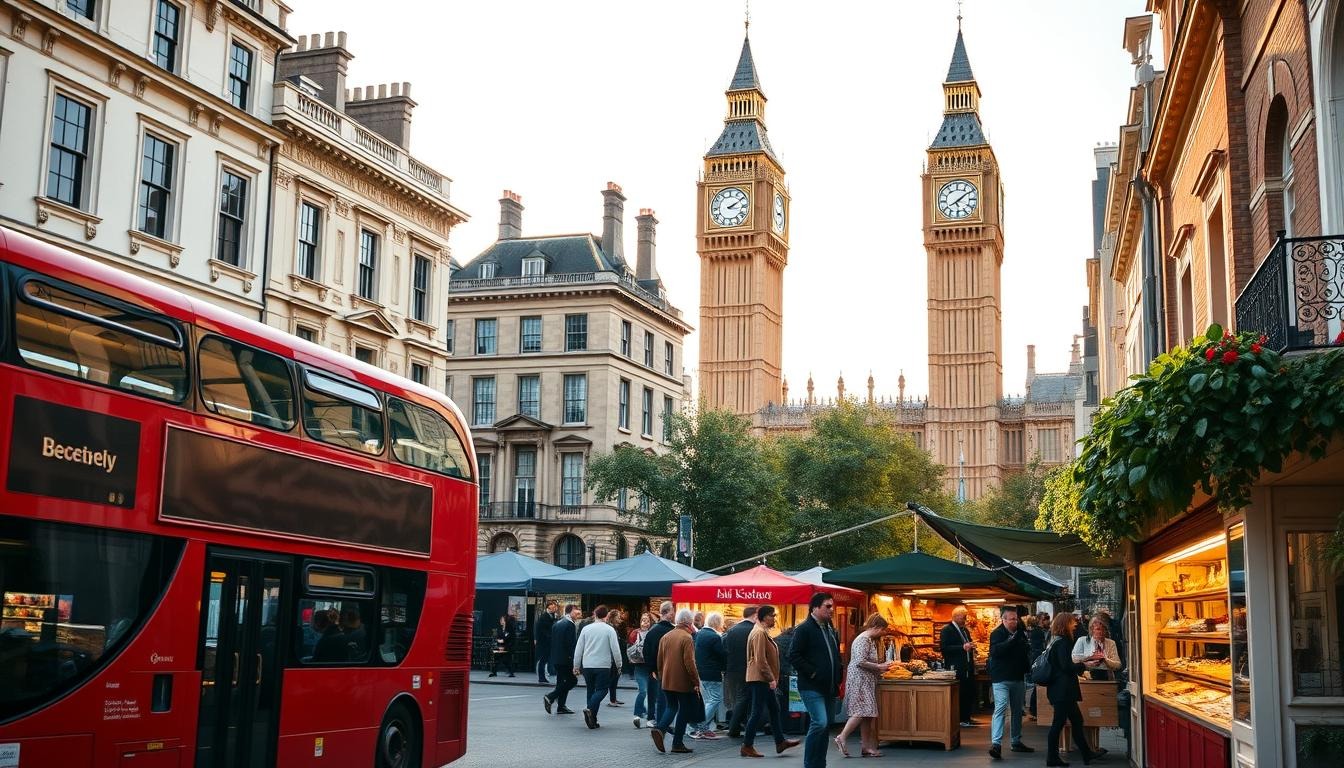
The United Kingdom is a mix of many cultures, all connected by history and tradition. As you travel through its areas, you’ll find a deep heritage. This ranges from England’s traditional tea rooms to Scotland’s tartan landscapes.Richest Cultures of the UK
From Tea to Tartan: Exploring the 5 Richest Cultures of the UK
British culture exploration shows a complex and interesting mix. Each area, from Wales to Northern Ireland and Cornwall, has its own customs, languages, and stories. This journey invites you to see the UK’s cultural diversity and understand what makes it unique.Richest Cultures of the UK
Key Takeaways
- Discover the diverse cultural heritage of the UK.
- Explore the unique traditions of England, Scotland, Wales, Northern Ireland, and Cornwall.
- Understand the historical context that shapes UK cultural diversity.
- Learn about the distinct customs and languages across different UK regions.
- Experience the richness of British culture through its various regional identities.
- Richest Cultures of the UK
The Cultural Mosaic of the United Kingdom
Exploring the United Kingdom reveals a rich cultural tapestry spanning centuries. The UK is made up of distinct cultural areas. Each has its own heritage and traditions.Richest Cultures of the UK
The Five Distinct Cultural Regions
The UK has five cultural regions: England, Scotland, Wales, Northern Ireland, and Cornwall. Each region has its own cultural identity. This is shaped by history, language, and tradition.Richest Cultures of the UK
| Cultural Region | Key Cultural Elements |
| England | Traditional tea culture, Shakespearean heritage, iconic landmarks like Buckingham Palace |
| Scotland | Tartan patterns, bagpipe music, Highland games, lochs, and castles |
| Wales | Eisteddfod festivals, male voice choirs, castles, and a strong literary tradition |
| Northern Ireland | Giant’s Causeway, traditional Irish music sessions, historical landmarks like the Titanic Belfast |
| Cornwall | Celtic heritage, fishing communities, unique dialect, and stunning coastal landscapes |
Preparing for Your Cultural Journey
To dive into the UK’s cultural mosaic, preparation is key. Research the cultural norms and traditions of each area you’ll visit.Richest Cultures of the UK
Essential Research Resources
Use cultural guides, historical texts, and online forums. These resources offer insights from locals.
Cultural Etiquette to Remember
Respecting local customs is vital. In Scotland, politely declining whisky is okay if you don’t drink. In Wales, singing with a male voice choir is a great cultural experience.Richest Cultures of the UK
united kingdom cultural immersion
How to Experience Authentic English Culture
Experiencing English culture is more than visiting famous spots. It’s about diving into local traditions. England’s culture is shaped by its customs, regional differences, and history.Richest Cultures of the UK
Participating in Traditional English Customs
To really get English culture, join in on old customs. Two big parts of English life are afternoon tea and pub culture.
Proper Afternoon Tea Protocol
Afternoon tea is a key English tradition. To enjoy it right, remember:
- Have tea between 3 pm and 5 pm.
- Use fine china and fancy settings.
- Start with sandwiches, then scones, and finish with sweets.
- Richest Cultures of the UK
Knowing these rules will make your experience better and show respect for this tradition.
Pub Culture and Etiquette
English pubs are places where people gather. To blend in, do this:
- Order at the bar, not at your table.
- Be ready to talk to locals.
- Respect the line and wait your turn.
- Richest Cultures of the UK
English Pub Culture
Exploring Regional English Variations
England isn’t all the same; there are big regional differences. Knowing these will make your cultural journey richer.
Northern vs. Southern Cultural Differences
The North and South of England have their own cultures. The North is known for its friendly people and industrial past. The South is often seen as wealthy and full of history.Richest Cultures of the UK
Rural English Traditions Worth Discovering
Rural England shows you traditional English life. You can see:
- Local festivals and fairs.
- Traditional crafts and industries.
- Quaint village life.
- Richest Cultures of the UK
Exploring these rural traditions will give you a deeper look at England’s culture.
Discovering Scottish Heritage Beyond the Stereotypes
As you explore Scotland, you’ll find a wealth of heritage beyond what you might expect. Scotland’s culture is rich and complex. It has a long history and a unique geography that has shaped its people.
Understanding and Appreciating Tartan and Clan History
Tartan and clan history are key parts of Scottish heritage. Tartan patterns are not just pretty; they hold deep meaning. They represent different Scottish clans and families. Learning about tartan can deepen your understanding of Scottish culture.
How to Research Your Scottish Ancestry
Exploring your Scottish roots can be very rewarding. Begin by talking to family members. Then, use online tools like the Scotland’s People website. It has historical records and census data.Richest Cultures of the UK
Respectful Ways to Wear Tartan
Wearing tartan is a meaningful way to connect with Scottish heritage. But, it’s important to do it with respect. Make sure you’re wearing the right tartan for your family or clan. Also, consider the occasion and cultural setting.
| Tartan Pattern | Clan/Family Association | Occasion for Wear |
| Black Watch | Campbell, Douglas | Formal events, military ceremonies |
| Gordon | Gordon | Weddings, Highland games |
| Stewart | Stewart, Stuart | Traditional Scottish events |
Immersing Yourself in Highland and Lowland Traditions
Scotland’s culture is diverse, with Highland and Lowland traditions. You can enjoy ceilidh dancing or whisky tasting. These are great ways to dive into Scottish culture.Richest Cultures of the UK
Ceilidh Dancing for Beginners
Ceilidh dancing is a fun way to experience Scottish culture. Even if you’re new, many events offer lessons for beginners.
Whisky Tasting: A Cultural Experience
Whisky tasting is a must-do in Scotland. Visit distilleries, learn how whisky is made, and try some of Scotland’s best drams.
By exploring Scotland’s heritage, you’ll gain a deeper understanding and appreciation of this rich culture.
Navigating Welsh Culture and Language
Wales is a special part of the UK, known for its rich culture and language. Welsh culture is a mix of old traditions, music, and stories. To really get Wales, you need to dive into its unique ways.Richest Cultures of the UK
Learning Essential Welsh Phrases for Travelers
Knowing some Welsh phrases can make your trip better. Saying “Croeso” (welcome), “Shwmae” (hello), and “Diolch” (thank you) shows you care about the culture.
Pronunciation Guide for Common Words
Getting Welsh words right can be tricky, but it’s doable. For example, “Bach” (small) sounds like “bahkh,” and “Cymru” (Wales) is “KUM-ree.”
When and Where to Use Welsh
In Wales, English is common, but Welsh is valued, too. In rural areas and at cultural events, using Welsh is a nice touch. It shows you respect the local heritage and can make your interactions more real.Richest Cultures of the UK
Engaging with Welsh Musical and Literary Traditions
Welsh culture is full of music and stories. From folk tunes to choirs, music is big in Wales. The Mabinogion, a set of old tales, is key to Welsh folklore.Richest Cultures of the UK
Attending an Eisteddfod
An Eisteddfod is a Welsh festival that celebrates music, poetry, and performance. Going to an Eisteddfod lets you see Welsh culture up close. These festivals happen all over Wales and show off the country’s rich heritage.Richest Cultures of the UK
Exploring the Mabinogion Through Historic Sites
The Mabinogion is a set of ancient Welsh stories that are still loved today. Visiting places linked to these tales can deepen your understanding of Welsh myths and culture. Places like the Brecon Beacons and old castles are filled with Mabinogion legends.
By getting into Welsh language and traditions, your visit to Wales will be more meaningful. You can learn phrases, go to festivals, or see historic sites. There are many ways to connect with Wales’ unique heritage.Richest Cultures of the UK
Understanding Northern Irish Cultural Complexity
Northern Ireland’s culture is a mix of history, religion, and society. To truly enjoy this place, it’s important to grasp its cultural subtleties.Richest Cultures of the UK
Respectfully Navigating Historical Contexts
The history of Northern Ireland has deeply influenced its culture. It’s crucial to respect the symbols and stories of different groups.
Understanding Community Symbols
Flags, murals, and emblems mean a lot to Northern Ireland’s people. Knowing about these symbols helps avoid misunderstandings and shows respect for local customs.Richest Cultures of the UK
“The use of symbols in Northern Ireland is a complex issue, reflecting the region’s turbulent past and the different identities within the community.”
Dr. Fiona McCosker, Cultural Historian
Conversation Topics to Embrace and Avoid
Talking about cultural traditions, sports, and common interests can bring people together. But, discussing sensitive historical events or political views without care can be harmful.Richest Cultures of the UK
| Conversation Topics | Embracing | Avoiding |
| Cultural Traditions | Traditional music, folk dancing | Sensitive historical events |
| Sports | Local football, rugby matches | Political affiliations |
Participating in Cross-Community Celebrations
Joining in cross-community events is a great way to see Northern Ireland’s diversity. These gatherings let different groups share their traditions.Richest Cultures of the UK
Traditional Music Sessions
Traditional music is a big part of Northern Ireland’s culture. Going to or joining these sessions can show you the region’s musical heart and community spirit.Richest Cultures of the UK
Food and Craft Experiences
Food and craft activities are key in these celebrations. They give you a taste of local food and handmade crafts, helping you understand Northern Ireland’s cultural practices.
By diving into these cultural practices and being aware of the history, you can make your visit to Northern Ireland richer. You’ll also build strong bonds with its people.Richest Cultures of the UK
From Tea to Tartan: Exploring the 5 Richest Cultures of the UK
England, Scotland, Wales, Northern Ireland, and Cornwall are all rich in culture. Cornwall, in particular, has its own unique traditions. A British cultural exploration tour wouldn’t be complete without visiting Cornwall.
Cornish Cultural Identity: The Fifth Rich Culture
Cornwall is in the southwestern tip of England. It has a culture that’s different from the rest of the UK. Its culture is shaped by history, language, and traditions.Richest Cultures of the UK
The Revival of Cornish Language and Traditions
The Cornish language was once almost lost. But now, it’s making a comeback. You can see this revival in local schools and community events. Attend language classes or cultural events to experience it yourself.Richest Cultures of the UK
Experiencing Unique Cornish Festivals
Cornwall’s festivals are lively and show off its culture. The Golfing Festival and Lowender Peran are just a couple. These festivals give you a taste of Cornish history and traditions.Richest Cultures of the UK
How to Plan a Comprehensive Cultural Tour
Planning a tour of the UK’s cultures needs careful thought. You want to make sure you see everything and learn a lot.
Creating a Balanced Itinerary
It’s important to have a balanced plan. Spend enough time in each place. This way, you’ll get to know the traditions, languages, and histories of all five cultures.
| Cultural Region | Must-Experience Events | Best Time to Visit |
| England | Afternoon Tea, Wimbledon | Spring |
| Scotland | Highland Games, Edinburgh Festival | Summer |
| Wales | Eisteddfod, Cardiff Festival | Autumn |
| Northern Ireland | Belfast Festival, Giant’s Causeway | Spring |
| Cornwall | Lowender Peran, Golfing Festival | Summer |
Connecting with Local Cultural Ambassadors
Talking to local cultural ambassadors can make your tour better. They share their knowledge of history, customs, and practices. This makes your trip more meaningful and fun.
Mastering Cultural Immersion Through Food and Drink
The UK’s food and drink traditions are a key part of its culture. They offer a special way to see the country’s diverse cultures. As you explore different areas, you’ll find that local food is more than just food. It shows history, community, and identity.
Hands-on Culinary Experiences in Each Region
To really get into the UK’s culture, try hands-on cooking experiences. These not only teach you new cooking skills. They also show you the cultural importance of different dishes.
Cooking Classes and Food Tours
Take cooking classes to learn how to make dishes like Scottish haggis or English fish and chips. Food tours are also great. They let you try many dishes and learn about their history and culture.
Farmers’ Markets and Food Festivals
Going to farmers’ markets and food festivals is a fantastic way to see local food culture. These events highlight the best local produce and feature local makers. You can taste real flavors and learn about eating with the seasons.
Pairing Regional Foods with Their Cultural Context
Knowing the cultural background of regional foods makes you appreciate the UK’s food scene more. Each dish shares a story of the region’s history, geography, and community.
Seasonal Eating Traditions
The UK’s food calendar is full of traditions that change with the seasons. For example, summer brings seafood festivals, while winter is for warm stews and roasts.
The Stories Behind Iconic Dishes
Every famous dish has its own story. Learning about these stories makes your food experience richer. For example, the Scottish Ceòl (music) and dannsa (dancing) at ceilidhs, with traditional foods, shows how important food is in celebrations.
By mixing hands-on cooking with understanding the cultural background, you’ll get a deeper appreciation of the UK’s cultures. Whether through cooking classes, food tours, or local festivals, your food journey will be unforgettable.
Participating in Festivals and Ceremonies Across the UK
Joining in the UK’s festivals and ceremonies is a great way to dive into its rich culture. The country hosts many cultural events, from traditional folk festivals to modern celebrations.
Seasonal Calendar of Cultural Events
The UK’s cultural events are spread out all year. Knowing when these happen can help you plan your cultural adventures.
Winter and Spring Celebrations
Winter and spring are filled with cultural events in the UK. Highlights include the Edinburgh’s Hogmanay and the London Chinese New Year parade. These events bring people together, showcasing traditional music, dance, and food.
Summer and Autumn Festivities
Summer and autumn are filled with cultural festivals. The Glastonbury Festival and the Notts County’s Nottinghamshire County Show are just a few examples. These events celebrate the UK’s cultural heritage, featuring local artisans, musicians, and performers.
| Season | Event | Location |
| Winter | Edinburgh’s Hogmanay | Edinburgh, Scotland |
| Spring | London Chinese New Year | London, England |
| Summer | Glastonbury Festival | Pilton, Somerset |
| Autumn | Notts County’s Nottinghamshire County Show | Nottingham, England |
How to Engage Authentically as a Visitor
To really get into the UK’s cultural events, you need to engage fully. This means preparing, respecting local customs, and participating thoughtfully.
Preparation and Research Tips
Before going to any cultural event, learn about its history and significance. Knowing the background will make your experience richer and help you understand the event’s details.
Respectful Photography and Social Media Practices
Be careful when taking photos, considering your surroundings and the people around you. Always get permission before taking someone’s picture. Also, be mindful of any rules about photography or social media use.
Crafting Your Personalized Cultural Itinerary
To dive deep into the UK’s rich culture, make a personalized itinerary. The UK is full of cultural gems, from England’s tea rooms to Scotland’s tartan landscapes.
Sample Routes for Different Interests and Timeframes
The UK caters to all interests. History buffs, food lovers, and adventure seekers will find something special. Here are some routes to consider:
- History Enthusiasts: See places like Buckingham Palace, the Tower of London, and Edinburgh Castle.
- Food and Drink Connoisseurs: Try traditional fish and chips and Scottish whisky distilleries.
- Cultural Explorers: Join local festivals, visit museums, and enjoy traditional music.
Two-Week Comprehensive Cultural Tour
A two-week trip lets you see many places. Start in London, then go to the Cotswolds, Scotland’s Highlands, and Northern Ireland.
Regional Deep Dives for Shorter Trips
For a shorter trip, focus on one area. Spend a week in Wales or England’s historical sites.
Practical Travel Logistics Between Cultural Centers
Traveling in the UK is easy with many options.
Transportation Options and Tips
- Trains: Use Eurostar and Virgin Trains for easy city-to-city travel.
- Bus Services: National Express offers cheap travel for shorter trips.
- Car Rentals: Best for exploring rural areas at your pace.
Accommodation Choices for Cultural Immersion
Stay in places that show off local culture. Think traditional B&Bs, boutique hotels, or heritage inns.
Plan well and choose the right places to stay and travel. You’ll have a rich cultural experience in the UK, enjoying tea and tartan UK experiences.
Conclusion: Bringing UK Cultural Experiences Home
As you wrap up your British Cultural Exploration Tour, you’ve seen the rich cultural heritage UK firsthand. You’ve explored everything from England’s traditional tea rooms to Scotland’s tartan landscapes. Your trip has been a deep dive into the UK’s diverse cultures.
Now, you can bring these memories and lessons into your everyday life. Maybe you’ll cook Welsh dishes, try Scottish Highland dancing, or admire Northern Irish views. You’ve gained a new way of seeing the world.
Looking back on your journey from tea to tartan: exploring the 5 richest cultures of the uk, think about how it has broadened your cultural understanding. You can share these insights with others. This will help them appreciate the UK’s cultural diversity even more.
FAQ
What are the 5 richest cultures of the UK?
The UK’s 5 richest cultures are England, Scotland, Wales, Northern Ireland, and Cornwall. Each has its own traditions and heritage.
How can I experience authentic English culture?
To experience English culture, try afternoon tea and pub culture. Also, explore the different regions of England.
What is the significance of tartan in Scottish culture?
Tartan is key in Scottish culture. It shows the heritage of Scottish clans and families. Learning about tartan and clan history adds depth to your experience.
How can I learn essential Welsh phrases for travel?
Start with a guide on Welsh pronunciation. Learn when and where to use Welsh during your travels.
What are some tips for navigating Northern Ireland’s cultural complexity?
To understand Northern Ireland’s culture, learn about community symbols. Be careful with conversation topics. Join cross-community celebrations.
What makes Cornish cultural identity unique?
Cornish culture is special because of its language and traditions. Reviving these is a big part of its identity. Attend Cornish festivals to learn more.
How can I master cultural immersion through food and drink in the UK?
To dive into UK culture through food and drink, take cooking classes and food tours. Learn about the history behind local dishes.
What are some tips for participating in UK festivals and ceremonies?
To join UK festivals and ceremonies, research the event first. Be respectful of local customs. Also, be mindful of your photography and social media.
How can I create a personalized cultural itinerary for my UK trip?
Plan a cultural itinerary by choosing routes that match your interests. Think about travel logistics like transportation and where to stay.
How can I bring my UK cultural experiences home?
Bring UK culture home by using what you learned in your daily life. Share your experiences and try new cultural practices.