Our skin faces numerous challenges from environmental stressors, lifestyle choices, and aging. Many American women aim for glowing skin. A consistent, effective skincare routine is key to achieving this goal.
A well-designed skincare routine can tackle issues like dryness, acne, and hyperpigmentation. It reveals a brighter, more radiant complexion. By embracing natural skincare principles and products, we can strive for the healthy, luminous skin we dream of.
Skincare Routine for American Women: How to Get Naturally Glowing Skin
Key Takeaways
- Establish a consistent skincare routine to achieve glowing skin.
- Incorporate natural skincare products to combat common skin issues.
- Protect your skin from environmental stressors and lifestyle factors.
- Understand your skin type to tailor your skincare regimen.
- Be patient, as achieving glowing skin takes time and dedication.
Understanding Your Skin Type and Needs
Before starting a skincare routine, it’s crucial to know your skin type and its needs. This step is key to using the right products and treatments. It ensures they work best for your skin.
Different Skin Types Explained
Skin types fall into four main categories: normal, dry, oily, and combination. Normal skin is balanced, neither too oily nor too dry. Dry skin feels tight and may flake. Oily skin is shiny and has large pores. Combination skin is a mix, oily in the T-zone and dry elsewhere.
How to Determine Your Skin Type at Home
To find out your skin type, start with a clean face, without any products. Wait an hour, then check your skin. If it’s tight, you have dry skin. If it’s shiny everywhere, you’re oily. Combination skin shows both oily and dry areas. Normal skin feels comfortable and looks balanced.
Common Skin Concerns for American Women
American women often deal with acne, hyperpigmentation, and aging signs. A survey found “nearly 85% of women experience skin issues that affect their self-confidence.” Understanding your skin type is the first step to addressing these concerns.
| Skin Type | Characteristics | Common Concerns |
| Normal | Balanced, smooth | Maintaining balance |
| Dry | Tight, flaky | Dryness, irritation |
| Oily | Shiny, enlarged pores | Acne, oiliness |
| Combination | Mixed oily and dry | Balancing oil production |
Essential Components of a Skincare Routine for American Women: How to Get Naturally Glowing Skin
A consistent skincare routine is crucial for healthy, glowing skin. Key components make it effective. For American women, understanding and incorporating these elements can significantly enhance their skin’s health and appearance.
Cleansing: The Foundation of Good Skincare
Cleansing is the first step in any skincare routine, serving as the foundation. It removes dirt, oil, and makeup that can clog pores and cause skin issues. Choosing the right cleanser for your skin type is crucial, whether it’s a gentle, non-foaming cleanser for dry skin or a foaming cleanser for oily skin.
Exfoliation: Revealing Fresh Skin
Exfoliation removes dead skin cells, revealing fresher, brighter skin underneath. This can be done through physical exfoliants like scrubs or chemical exfoliants containing alpha-hydroxy acids (AHAs) or beta-hydroxy acids (BHAs). Regular exfoliation can improve skin texture and reduce the appearance of pores, but it’s essential to do it gently to avoid irritation.
Hydration and Moisturizing Techniques
Hydration is vital for maintaining skin elasticity and plumpness. Using a moisturizer that suits your skin type helps to lock in moisture and protect the skin from environmental stressors. Techniques such as layering products and using a humidifier can also enhance hydration levels.
Sun Protection: A Non-Negotiable Step
Sun protection is critical for preventing premature aging and skin cancer. Using a broad-spectrum sunscreen with an SPF of at least 30 daily, even on cloudy days, is a non-negotiable step in any skincare routine. It shields the skin from harmful UV rays, reducing the risk of sun damage.
Morning Skincare Routine Steps
Starting your day with a solid morning skincare routine is key to maintaining healthy, radiant skin. By adhering to a few essential steps, you can shield your skin from environmental aggressors and keep it looking vibrant.
Gentle Cleansing to Start Your Day
Begin with a gentle cleanser that effectively removes impurities without drying out your skin. Choose a cleanser that matches your skin type, whether it’s gel, cream, or foam. Gently massage the cleanser onto your damp face, then rinse with lukewarm water. Finish by patting dry with a clean towel.
Toning for pH Balance and Preparation
Following cleansing, apply a toner to balance your skin’s pH and prepare it for other products. Toners help remove any remaining impurities and tighten pores. Soak a cotton pad with toner and sweep it across your face, being careful around the delicate skin around your eyes.
Morning Serums and Active Ingredients
Next, use a morning serum with active ingredients that address your specific skin concerns. For example, vitamin C for brightening or hyaluronic acid for hydration. Serums are highly concentrated, so a few drops are enough. Gently press the serum into your skin until it’s fully absorbed.
Daytime Moisturizer and SPF Application
Lastly, apply a daytime moisturizer with SPF to hydrate and protect your skin from UV damage. Opt for a broad-spectrum sunscreen with an SPF of at least 30. Apply it as the final step in your morning skincare routine, allowing it to absorb fully before applying makeup.
Evening Skincare Routine for Repair and Renewal
A well-structured evening skincare routine is key to repairing and renewing our skin. As we sleep, our skin naturally repairs itself. A proper evening routine can boost this process, leading to healthier, more radiant skin.
Double Cleansing Method for Makeup and Pollutant Removal
Double cleansing is a vital first step in the evening skincare routine. It involves using an oil-based cleanser to remove makeup and sunscreen, followed by a water-based cleanser to deep clean pores. This method ensures our skin is thoroughly cleaned without clogging pores or stripping away natural oils. Skincare expert Dr. Joshua Zeichner highlights, “Double cleansing is beneficial for those who wear makeup or are exposed to pollution.”
Nighttime Treatments and Actives
After cleansing, we apply nighttime treatments with active ingredients like retinol, peptides, or vitamin C. These ingredients help address specific skin concerns like acne, aging, or hyperpigmentation. It’s crucial to choose products tailored to our specific skin type and concerns.
Eye Creams and Targeted Treatments
The skin around our eyes is delicate and needs special care. Using an eye cream can help reduce fine lines, dark circles, and puffiness. Gently pat a small amount of eye cream around the orbital bone, avoiding direct contact with the eyes.
Overnight Hydration Strategies
Locking in moisture with a hydrating night cream or moisturizer is essential. Ingredients like hyaluronic acid and ceramides help retain moisture and support the skin’s barrier function. Skincare expert Dr. Debra Jaliman emphasizes, “A well-hydrated skin is more resilient and better equipped to regenerate itself overnight.”
Incorporating these steps into our evening skincare routine can enhance our skin’s natural repair process. We wake up to healthier, more radiant skin.
Weekly Treatments to Enhance Your Glow
Weekly treatments are essential for maintaining healthy, radiant skin. They address specific skin issues and provide extra nourishment and protection. This is in addition to daily skincare routines.
Face Masks for Different Skin Concerns
Face masks offer intense nourishment and tackle various skin problems. They cater to needs like acne, dryness, or dullness. For example, clay masks effectively absorb excess oil and purify pores. On the other hand, hydrating masks provide a moisture boost.
At-Home Facial Massage Techniques
Facial massage not only relaxes but also enhances blood circulation. It can also reduce fine lines. Techniques like circular face massages or using a jade roller are simple to add to your weekly routine.
Exfoliating Treatments and Peels
Exfoliating treatments are vital for removing dead skin cells. This reveals brighter, smoother skin. Chemical peels and physical exfoliants like scrubs or brushes are suitable for use once or twice a week, based on your skin type and concerns.
Professional Treatments Worth Considering
For more complex skincare needs, professional treatments like microdermabrasion, laser therapy, or chemical peels are beneficial. Consulting with a dermatologist or skincare professional can help find the most suitable treatments for your skin concerns.
Seasonal Skincare Adjustments for American Climate
The American climate changes a lot with the seasons, making it crucial to adjust our skincare. As we move from winter to spring, summer, and fall, our skin faces new challenges. These require us to change how we care for it.
Winter Skincare: Combating Dryness and Harsh Weather
In winter, cold air and low humidity dry out our skin, causing irritation. To fight this, we need to focus on keeping our skin hydrated and protected.
Using a humidifier at home helps keep our skin’s moisture barrier intact. We should add rich moisturizers and hydrating serums to our winter skincare routine.
Summer Skincare: Protection and Oil Control
Summer brings high temperatures and humidity, leading to oily skin and sun damage. It’s essential to protect our skin from the sun and manage oiliness.
Apply a broad-spectrum sunscreen with at least SPF 30 every day and reapply every two hours outside. Choose lightweight, oil-free products to control shine without clogging pores.
Fall and Spring Transition Skincare Tips
Fall and spring weather is unpredictable, so we need to adjust our skincare to match the changing humidity and temperatures.
Regular exfoliation removes dead skin cells and improves texture. Using products with antioxidants helps protect against environmental stressors.
Adapting to Regional Climate Differences
The American climate varies greatly from region to region, from the humid south to the dry west. It’s important to understand these differences to tailor our skincare routines.
| Region | Climate Characteristics | Skincare Adjustments |
| South | High humidity, hot temperatures | Oil control, lightweight products |
| West | Dry climate, potential for sun damage | Intensive hydration, broad-spectrum sunscreen |
| Northeast | Cold winters, mild summers | Moisturizing in winter, gentle exfoliation in summer |
Skincare expert Dr. Joshua Zeichner advises, “Knowing your local climate and adjusting your skincare routine is key to healthy, resilient skin.”
Natural Ingredients That Promote Glowing Skin
Nature offers a wealth of ingredients that can transform our skin, making it glow with health and vitality. Adding these natural elements to our skincare routine can be transformative. It can lead to radiant, healthy-looking skin.
Antioxidant-Rich Ingredients for Protection
Antioxidants are vital for protecting our skin from environmental stressors and damage from free radicals. Green tea extract and vitamin C are packed with antioxidants. They help shield our skin and promote a healthier complexion.
Hydrating and Soothing Natural Elements
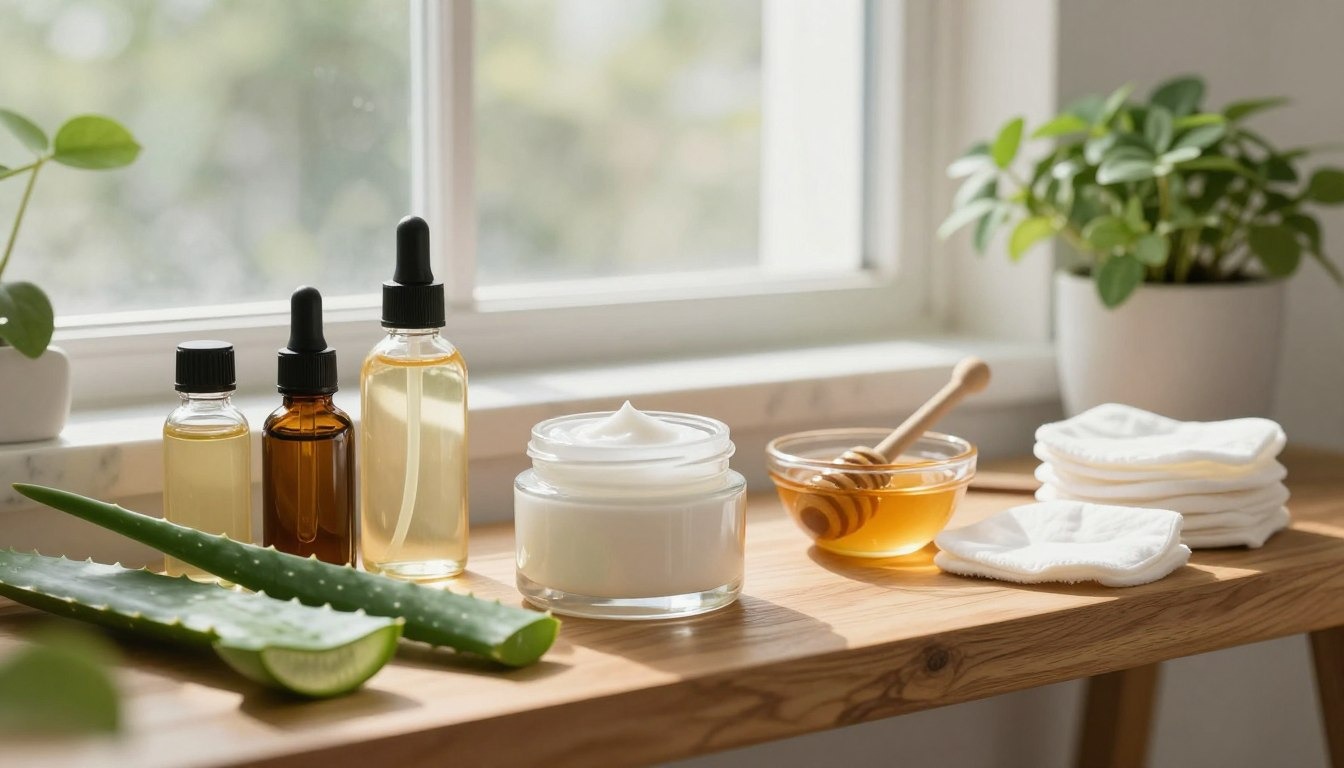
Hydration is essential for maintaining plump, supple skin. Aloe vera and hyaluronic acid are known for their hydrating properties. They provide long-lasting moisture and soothe irritated skin.
Brightening Ingredients for Radiance
For a brighter complexion, ingredients like turmeric and licorice extract are highly effective. They help reduce dark spots and hyperpigmentation. This reveals a more radiant and even-toned skin.
Anti-Inflammatory Components for Calm Skin
Inflammation can cause various skin issues, including redness and irritation. Chamomile and green tea are anti-inflammatory ingredients. They calm the skin, reducing redness and promoting a serene complexion.
| Ingredient | Benefit |
| Green Tea Extract | Antioxidant protection |
| Aloe Vera | Hydration and soothing |
| Turmeric | Brightening and anti-inflammatory |
Building Your Skincare Product Arsenal
Creating a skincare collection tailored to your skin type is crucial for achieving healthy, radiant skin. It begins with identifying the foundational products necessary for any skincare regimen.
Essential Products for Every Routine
The cornerstone of any skincare routine includes a gentle cleanser, a moisturizer that matches your skin type, and a broad-spectrum sunscreen. These essentials offer the basic care needed to maintain skin health and protection.
Splurge-Worthy vs. Budget-Friendly Options
Skincare product prices can vary widely. Some items are considered splurge-worthy due to their premium ingredients or brand prestige. Yet, there are also affordable alternatives that can be equally effective. It’s important to balance our budget with our skin’s needs when selecting products.
How to Layer Products Correctly
Properly layering skincare products is essential for their optimal performance. We should apply them from thinnest to thickest, starting with serums and ending with moisturizers or oils.
Customizing Your Product Selection by Skin Type
Knowing your skin type is vital for choosing the right products. Whether you have dry, oily, combination, or sensitive skin, selecting items formulated for your specific needs can greatly impact your skin’s health and appearance.
Lifestyle Factors That Affect Skin Health
While skincare products are vital, lifestyle choices like nutrition, sleep, and exercise are equally crucial for skin health. Our daily habits and choices significantly impact our skin’s appearance and health.
Nutrition and Hydration for Skin Vitality
A well-balanced diet, rich in antioxidants, vitamins, and minerals, is essential for healthy skin. Foods like salmon, high in omega-3 fatty acids, and berries, rich in antioxidants, protect the skin and enhance its glow.
Hydration is also key; drinking enough water keeps the skin hydrated from within. This reduces fine lines and wrinkles.
Sleep Quality and Stress Management
Adequate sleep is vital for skin health, allowing the body to repair and regenerate skin cells. Poor sleep quality can make the skin look dull and tired.
Stress management techniques, like meditation and yoga, help reduce stress’s negative effects on the skin. This includes inflammation and breakouts.
Exercise and Its Impact on Circulation and Glow
Regular exercise boosts blood circulation, nourishing the skin and enhancing its glow. Exercise also reduces stress and improves overall health, benefiting the skin.
Environmental Protection Strategies
Protecting the skin from environmental stressors like pollution and UV radiation is crucial. Using products with antioxidants and wearing sunscreen daily shields the skin from damage.
Adopting habits like wearing protective clothing and seeking shade outdoors also protects the skin.
Common Skincare Mistakes to Avoid
Understanding common skincare mistakes is key to a successful skincare routine. Many of us unknowingly harm our skin due to misinformation or lack of knowledge. This can lead to unhealthy skin and a lack of glow.
Over-Exfoliation and Product Overuse
One major skincare mistake is over-exfoliating. Doing it too often can remove essential oils, causing irritation and dryness. Using too many products can also overwhelm the skin, leading to negative reactions. It’s vital to find the right balance and observe how your skin reacts to different products.
Inconsistency and Impatience with Results
Inconsistency is another critical error. Skincare is a continuous process, not a one-time fix. Skipping days or changing products too often can slow progress. Expecting quick results can also cause frustration. Patience is essential, allowing your skin time to adjust to new products or treatments.
Ignoring Unique Skin Needs and Changes
Ignoring your skin’s specific needs and changes can make skincare ineffective. Your skin’s condition can change due to age, environment, or health issues. It’s important to adjust your routine to meet these changes.
Falling for Marketing Claims Instead of Ingredients
Many are swayed by marketing claims rather than the actual ingredients. It’s crucial to look beyond the packaging. Focus on the product’s composition and how it meets your skin’s needs.
By recognizing these common skincare mistakes, we can improve our routines. This leads to healthier, more radiant skin.
Addressing Specific Skin Concerns
Understanding and tackling specific skin issues is key to an effective skincare routine. Different skin concerns require tailored approaches to achieve the best results.
Acne and Breakouts: Targeted Solutions
Acne and breakouts can be challenging to manage, but targeted solutions can help. Using products containing salicylic acid or benzoyl peroxide can be effective in reducing acne.
Aging and Fine Lines: Preventative and Corrective Approaches
Aging and fine lines can be addressed through a combination of preventative and corrective measures. Incorporating retinol and peptides into your skincare routine can help reduce the appearance of fine lines.
Hyperpigmentation and Uneven Tone: Brightening Strategies
Hyperpigmentation and uneven tone can be challenging, but brightening strategies can help. Using products with vitamin C and niacinamide can help brighten and even out skin tone.
Sensitivity and Redness: Gentle Care Protocols
Sensitivity and redness require gentle care. Using fragrance-free products and avoiding harsh exfoliants can help soothe sensitive skin.
| Skin Concern | Recommended Ingredients | Product Type |
| Acne | Salicylic acid, benzoyl peroxide | Cleanser, spot treatment |
| Aging | Retinol, peptides | Serum, moisturizer |
| Hyperpigmentation | Vitamin C, niacinamide | Serum, moisturizer |
| Sensitivity | Fragrance-free, soothing ingredients | Moisturizer, cream |
Conclusion: Your Path to Naturally Glowing Skin
Getting radiant skin is achievable with the right skincare routine. Knowing your skin type and needs is key to a personalized approach. We’ve covered the basics: cleansing, exfoliating, hydrating, and protecting from the sun.
Sticking to a morning and evening routine, along with weekly treatments and seasonal changes, is crucial. Adding natural ingredients and considering lifestyle impacts can boost your skin’s health.
Steering clear of common mistakes and tackling specific skin issues can unlock your skin’s full potential. With persistence and commitment, you’ll see a brighter, more radiant complexion. Our guide offers a solid foundation for your skincare journey, leading you to the glowing skin you desire.
FAQ
What is the best skincare routine for American women?
The ideal skincare routine for American women combines cleansing, exfoliating, hydrating, and sun protection. It must be customized to fit each individual’s skin type and specific concerns.
How do I determine my skin type?
To figure out your skin type, observe its behavior throughout the day. If it gets oily, you likely have oily skin. If it stays matte, you might have dry or normal skin. Combination skin shows both oily and dry traits.
What are the essential components of a morning skincare routine?
A morning skincare routine should start with gentle cleansing and toning. Next, apply a morning serum or active ingredients. Finish with a daytime moisturizer and SPF.
How often should I exfoliate my skin?
Exfoliation frequency varies by skin type. Most people exfoliate one to three times a week. Sensitive skin may need less frequent exfoliation.
What are some natural ingredients that promote glowing skin?
For glowing skin, use ingredients rich in antioxidants like vitamin C. Hydrating elements such as hyaluronic acid are also beneficial. Brightening agents like niacinamide and anti-inflammatory components like aloe vera are key.
How can I adjust my skincare routine for different seasons?
Adjust your skincare routine with the seasons. Use more hydrating products in winter and oil-control in summer. In spring and fall, transition products. Consider your local climate too.
What are some common skincare mistakes to avoid?
Avoid over-exfoliating and using too many products. Be consistent and focus on your skin’s unique needs. Don’t fall for marketing; look at the ingredients.
How can lifestyle factors impact skin health?
Lifestyle greatly affects skin health. Good nutrition, hydration, sleep, stress management, exercise, and protecting your skin from the environment are all crucial.